
Paying for teeth implants
Clinics list payment plans: one asks for a 50% deposit and at least €200 a month over up to 12 months on treatment over €1,000, and another lists finance from €345 a month for a full arch. The medical card and PRSI Treatment Benefit pages do not list implants, and Revenue gives 20% relief on non-routine dental treatment with a Form Med 2.
Payment plans clinics list, what the schemes say and how Revenue's relief works.
Free, and you owe nothing. Your request goes to one Dental Council registered dentist who places implants, and to no list.
- 50% depositthen €200 a month or more, at one clinic
- from €345a month, finance for a full arch, one clinic
- 20%Revenue's rate on non-routine dental treatment
- Up to 12 monthsone clinic's plan length
Payment plans clinics list
Deposit and monthly plan
50% deposit
Then at least €200 a month, up to 12 months, on treatment over €1,000. All implant treatments, one clinic.
Finance for a full arch
from €345 a month
At the same clinic, through a finance company.
Payment plans up to
€30,000
At another clinic, which says missed payments may incur fees.
A credit union loan
€100 to €100,000
One clinic's page: 8.5% variable (8.86% APR) on a reducing balance, no penalties for early repayment.
A twelve month plan
adds €1,000
At another clinic, where total treatment pricing rises by that amount, with approval needed.
Paying upfront
2% or 10% off
At the same clinic, which lists a 2% and a 10% discount for paying upfront.
Get my quote
Three taps give you a price range, and it updates as you go. Your name and number are asked last. Leave them only if you want a dentist to price it.
All the top teeth with your own teeth now: €6,500 to €25,000 for one arch.
How this range is worked out
The range runs from the lowest to the highest fee Irish dental clinics list for it. A full arch is priced per arch, so both jaws is two arches. The scan, any bone graft or sinus lift and the temporary teeth are priced on top where a dentist says you need them. What suits your mouth is for a dentist to say, after an examination. Treat the range as a guide for planning. It is not a quote, and your dentist prices yours in writing.
What to check before you sign a plan
The Dental Council says you are entitled to know the cost, or an estimate of it, and how payment is to be made, before treatment starts. Beyond that:
- Whether the plan adds a cost, as one clinic's twelve month plan does.
- Whether there are fees for missed payments.
- Whether approval is needed, and what happens if it is refused.
- What happens to the plan if the treatment is changed, or an implant has to be replaced.
What the medical card and PRSI pages say
The Citizens Information page on the medical card lists a dental examination each year, extractions, fillings, a scale and polish and denture repairs, and says all other dental treatment, including getting dentures, must first be approved by the local HSE Principal Dental Surgeon. It does not list implants.
The government's Treatment Benefit page lists the full cost of an oral examination once a year, and a payment towards a scale and polish or gum treatment. It does not list implants or dentures.
Tax relief, as Revenue states it
Revenue gives relief on health expenses at your standard rate of tax, 20%. Its dental page lists implants, including bone grafting, crowns and bridgework as non-routine, which can be claimed, and providing or repairing artificial teeth or dentures as routine, which cannot.
- Put the amount in your health expenses claim under the Non-Routine heading.
- Have your dentist complete a Form Med 2. They normally give it to you after treatment, with one for each year if it runs longer.
- Keep the Med 2. It is a receipt, not the claim form, and you do not send it unless Revenue asks.
- You cannot claim any amount you have received, or will receive, from an insurance policy.
- Revenue's page refers to a four year rule for claims.
More on teeth implants
 All-on-4Four implants carry one fixed set of teeth on an arch. €6,500 to €25,000 an arch at Irish clinics.
 All-on-6Six implants carry the arch. €8,000 to €13,200 an arch on the fee pages that list it.
 Full mouth dental implantsBoth jaws rebuilt on implants: what is involved and how the fee adds up.
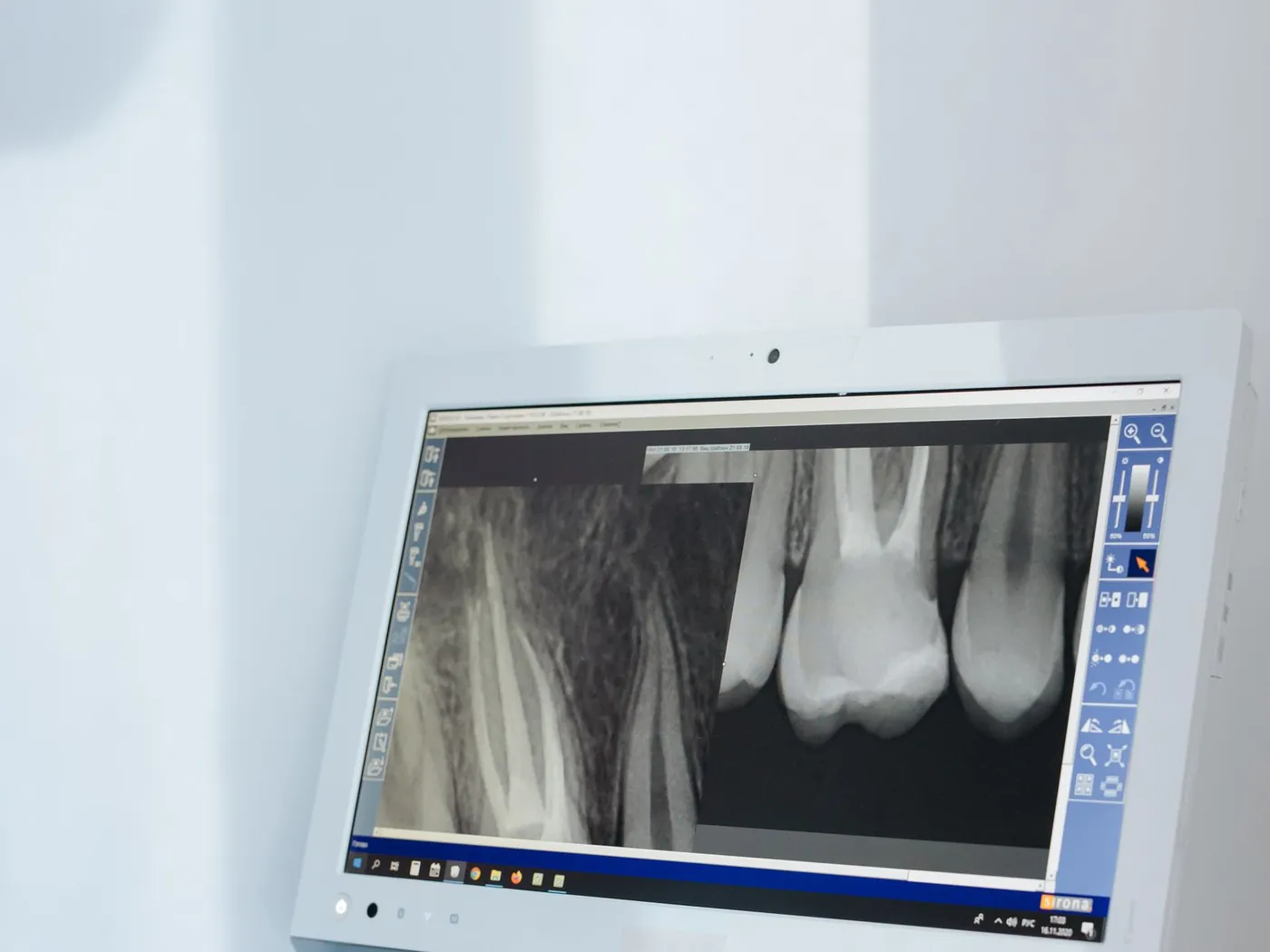 Teeth in a dayA set of teeth fitted on the day the implants go in, and what the leaflets say about the rest.
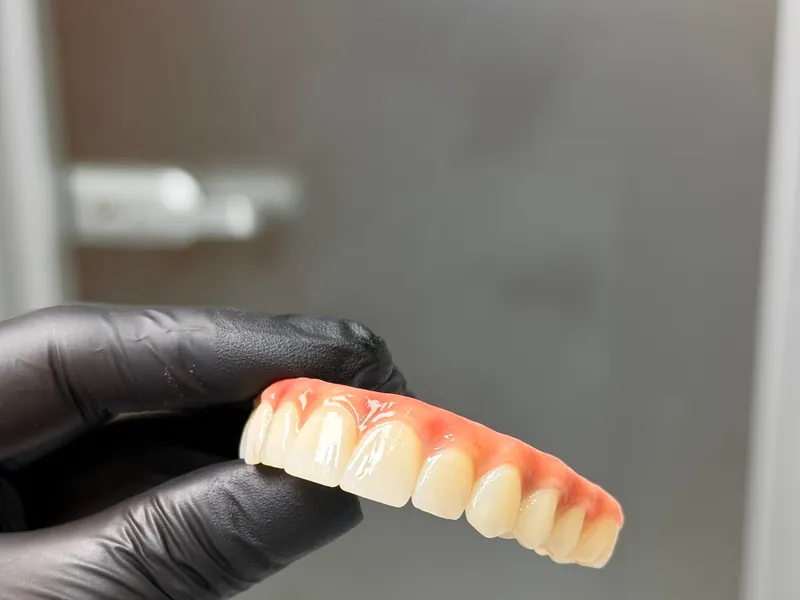 Implant denturesA denture held by two to four implants. From €3,850 an arch.
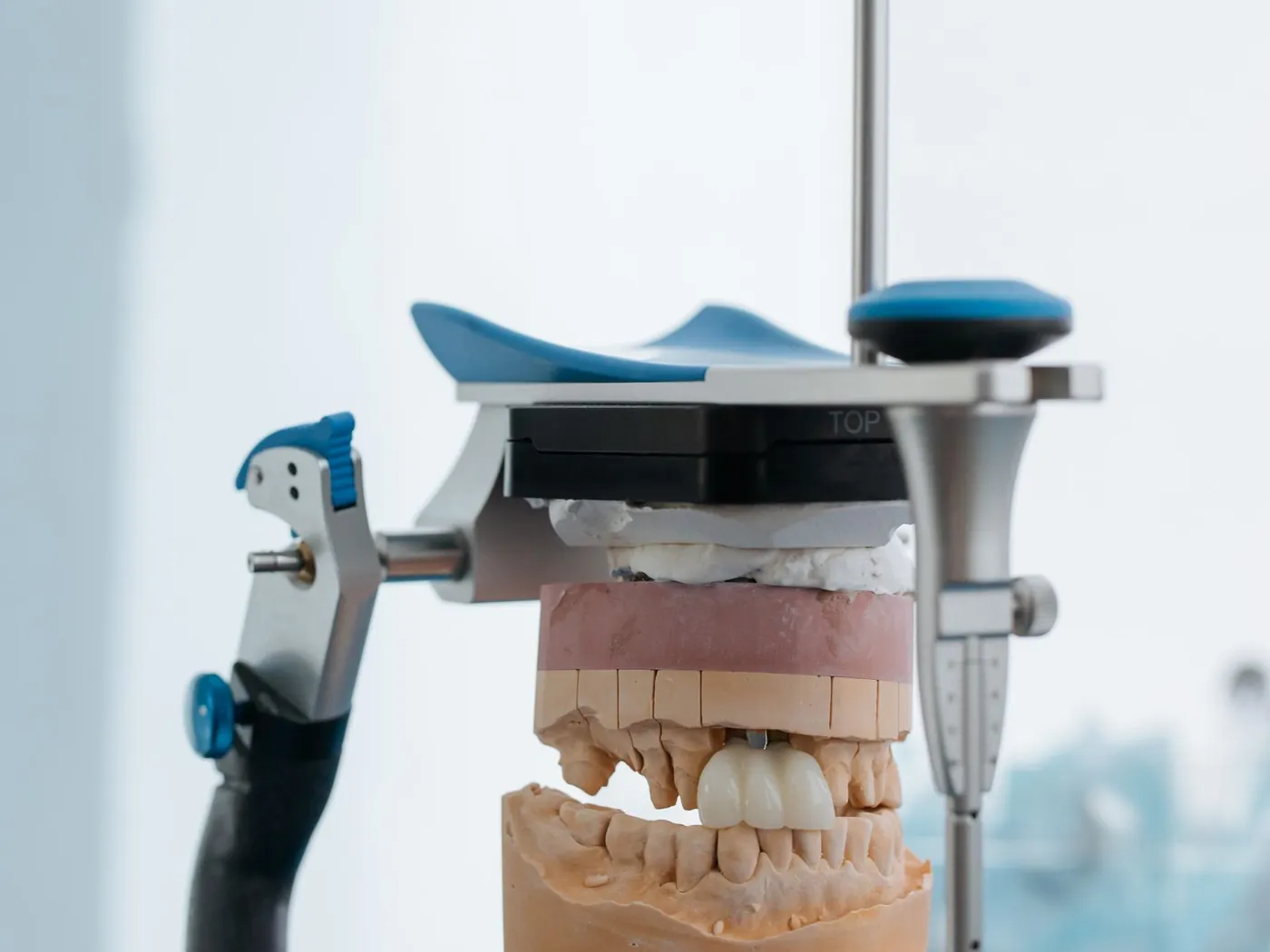 Screw in teethWhat the phrase means: teeth fixed to implants with screws, and what that rules out.
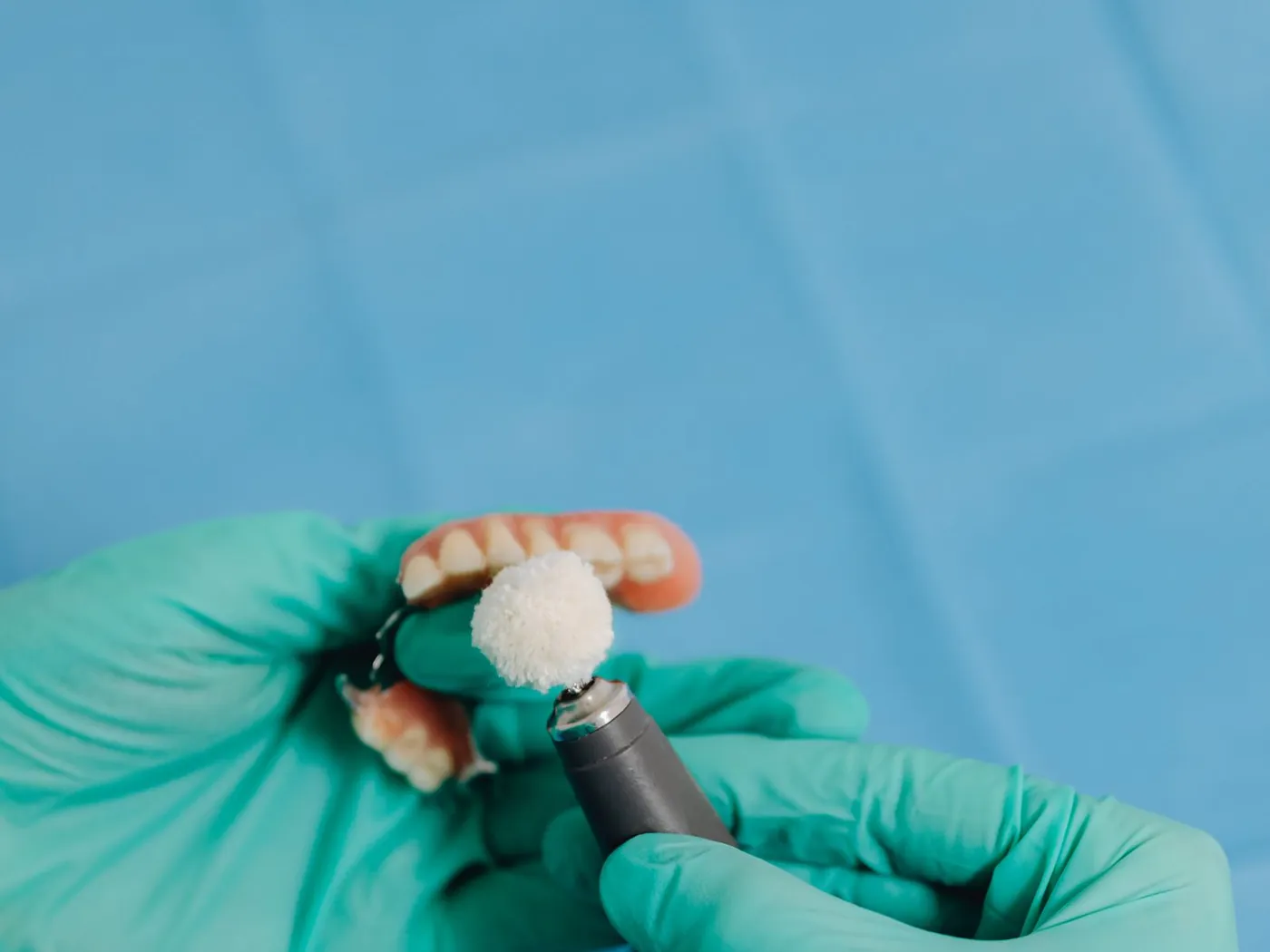 False teethDentures, implant dentures and fixed teeth side by side. A full denture is €500 to €1,640 a jaw.
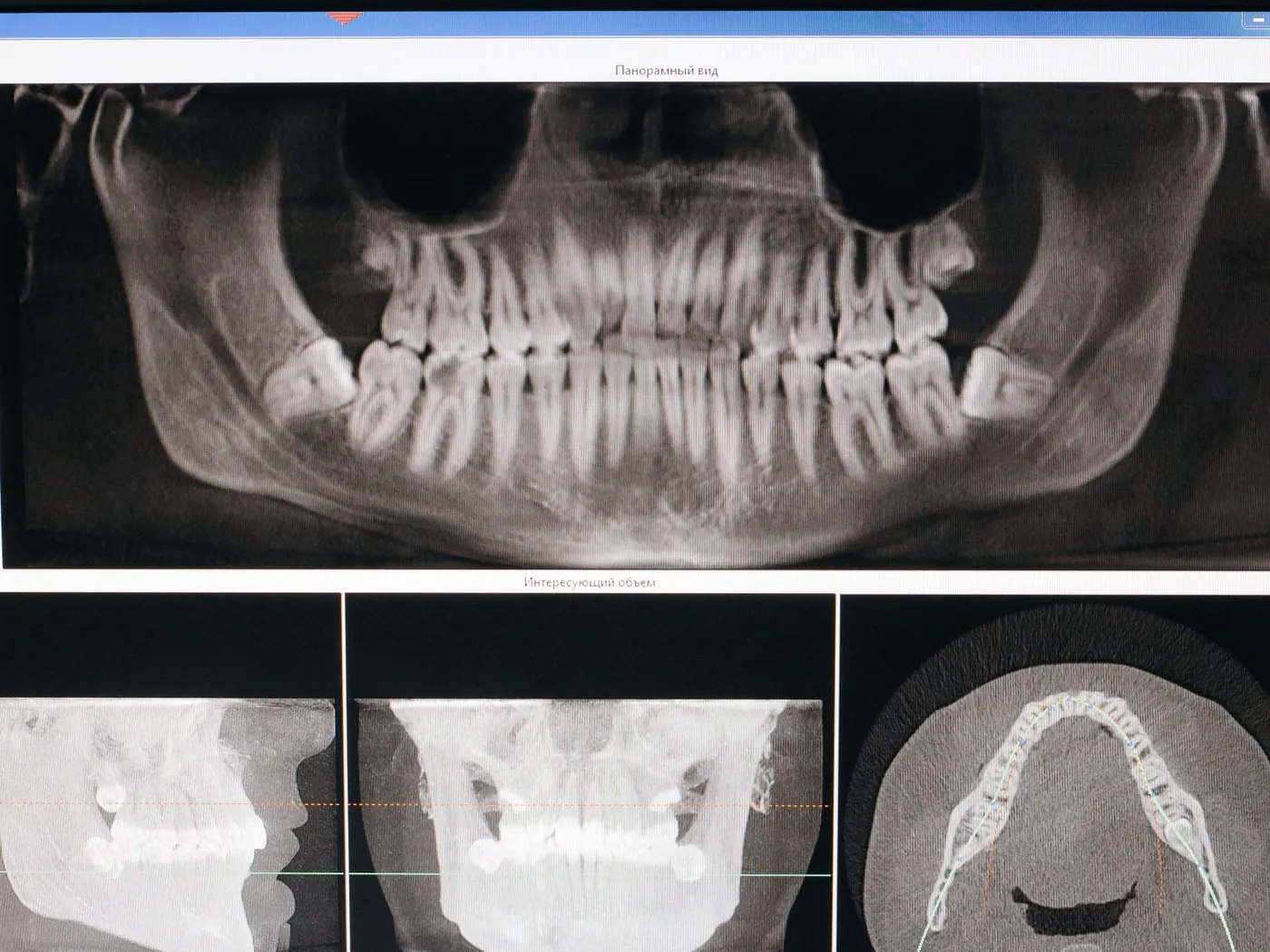 Zygomatic implantsLonger implants anchored in the cheekbone, and why there is no price for them on their own.
 All-on-4 or implant denturesThe two usual choices for a whole arch, set out one against the other.
Quick questions
Can I pay for teeth implants in instalments?
Some clinics list payment plans. One asks for a 50% deposit and at least €200 a month over up to 12 months, on treatment over €1,000.
Does the medical card cover dental implants?
The Citizens Information page does not list implants. Medical card holders need approval for dentures.
Does PRSI cover dental implants?
The Treatment Benefit page does not list them. It lists an oral examination and a payment towards a scale and polish or gum treatment.
Can I claim tax relief on teeth implants?
Revenue's dental page lets you claim non-routine treatment at your standard rate of tax, 20%, with a Form Med 2 completed by your dentist. Implants, with bone grafting, and bridgework are on its non-routine list. Providing or repairing artificial teeth or dentures is on its routine list, which gets no relief.
Is there finance with a credit union?
One clinic's page describes borrowing from a credit union at 8.5% variable (8.86% APR). Terms are the lender's.
All the pages on this site
Treatments
Get a price range before you speak to anyone
Choose what you are missing, what you have now and your county. If you then want a firm price, the request goes to a single Dental Council registered dentist who places implants.