
Teeth implants in Turkey and abroad
The Dental Council says high quality dental care can be found outside Ireland, and asks you to check the dentist's registration, the follow-up care and who pays if costs escalate before you go. The Irish Dental Association says to focus on the quality of the work and whether it is needed, not only the price.
What the regulator and the dentists' association say, and what 'Turkey teeth' means.
Free, and you owe nothing. Your request goes to one Dental Council registered dentist who places implants, and to no list.
- Checkthe dentist's registration and insurance
- Askwho pays if something goes wrong
- 76%of 440 dentists, in a 2009 survey by the IDA, had seen patients treated abroad
- Claimablenon-routine treatment abroad, with a Med 2
What the Dental Council says
The Dental Council is the regulator for dentists in Ireland. It says all dentists in Ireland must be registered with it to practise here, and that there are different regulatory systems in other countries. Its guidance on going abroad says:
- Speak with your own dentist first, who can advise from your dental history.
- Research the treatment, the clinic and the dentist.
- Find out whether the country has a regulatory body for dentists and whether registration is compulsory.
- Ask whether the dentist has professional indemnity insurance.
- Language and cultural differences may impede communication, and limited access to your history may pose challenges if complications arise.
- Be satisfied with the follow-up care if there are complications, which may not be in place or may be difficult to access.
- Be satisfied how costs will be settled if they escalate, as legal recourse may be limited or difficult to obtain.
Get my quote
Three taps give you a price range, and it updates as you go. Your name and number are asked last. Leave them only if you want a dentist to price it.
All the top teeth with your own teeth now: €6,500 to €25,000 for one arch.
How this range is worked out
The range runs from the lowest to the highest fee Irish dental clinics list for it. A full arch is priced per arch, so both jaws is two arches. The scan, any bone graft or sinus lift and the temporary teeth are priced on top where a dentist says you need them. What suits your mouth is for a dentist to say, after an examination. Treat the range as a guide for planning. It is not a quote, and your dentist prices yours in writing.
What the Irish Dental Association says
The IDA says it is concerned about the results many Irish people have had where they travelled for dental care, and urges people to discuss their oral health with a dentist at home first. It says to ask what happens if something goes wrong, and points to the Dental Complaints Resolution Service, which handles complaints about dentists in Ireland.
A survey the IDA ran in 2009 found 76 per cent of 440 dentists had seen patients in the previous year who had cheaper procedures overseas. The problems it lists are too much work over too short a time, unnecessary work and poor materials. That survey is old, and the page does not give a newer figure.
What 'Turkey teeth' means
The chair of the British Dental Association's Northern Ireland Council writes that 'Turkey teeth' has taken off in the last five years. He describes large zirconia restorations of 24 units or more, or full-arch implants, often placed on sound teeth over two visits, and writes that patients need to understand the risks of dental tourism.
That is one dentist's description in an opinion piece. The Dental Council and the IDA both say there are good dentists abroad.
If you are claiming tax relief
Revenue's page says you can claim for non-routine dental treatment performed outside Ireland. The dentist must be a qualified dentistry practitioner under that country's laws and must complete a Form Med 2. Revenue lists implants, with bone grafting, as non-routine, at your standard rate of tax, 20%.
Questions for any dentist, at home or abroad
The Dental Council's list for a treatment plan applies wherever you are treated.
- What are my options, and what will each cost?
- What are the rates of success and complications with each?
- What happens if treatment is unsuccessful or I am unhappy?
- If complications need further treatment, is it an extra cost, and who pays?
- Who do I contact for advice after treatment?
- Is there a complaints procedure, and may I see it?
- Does the dentist have professional indemnity insurance cover?
- Is aftercare given to me in writing?
More on teeth implants
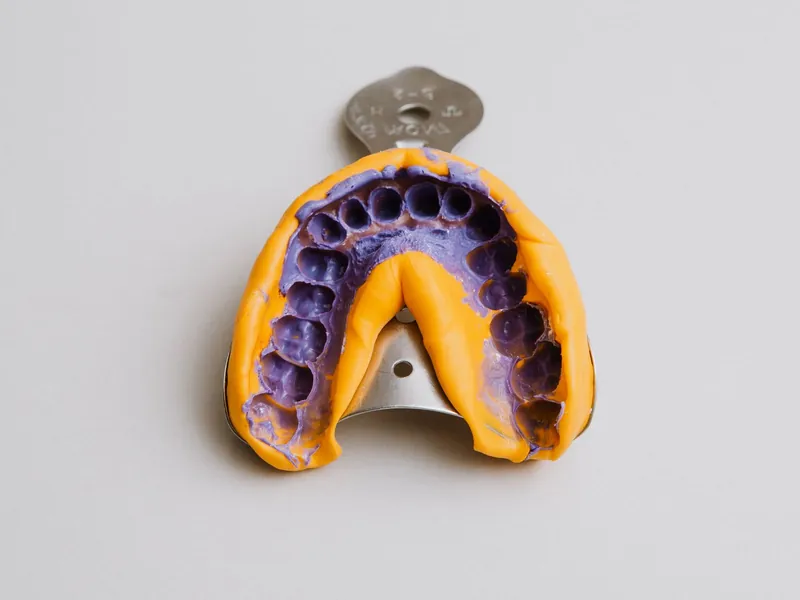 All-on-4Four implants carry one fixed set of teeth on an arch. €6,500 to €25,000 an arch at Irish clinics.
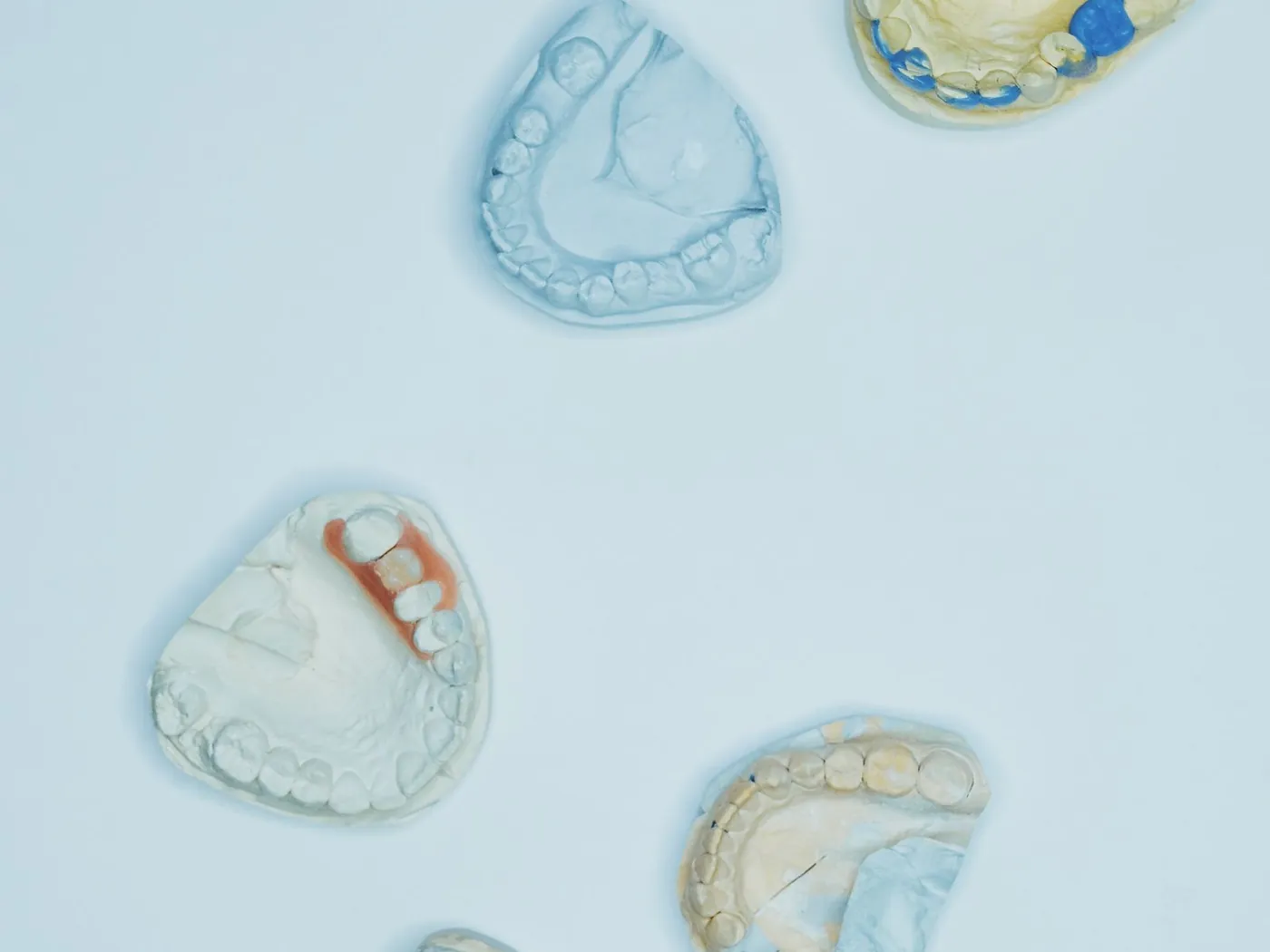 All-on-6Six implants carry the arch. €8,000 to €13,200 an arch on the fee pages that list it.
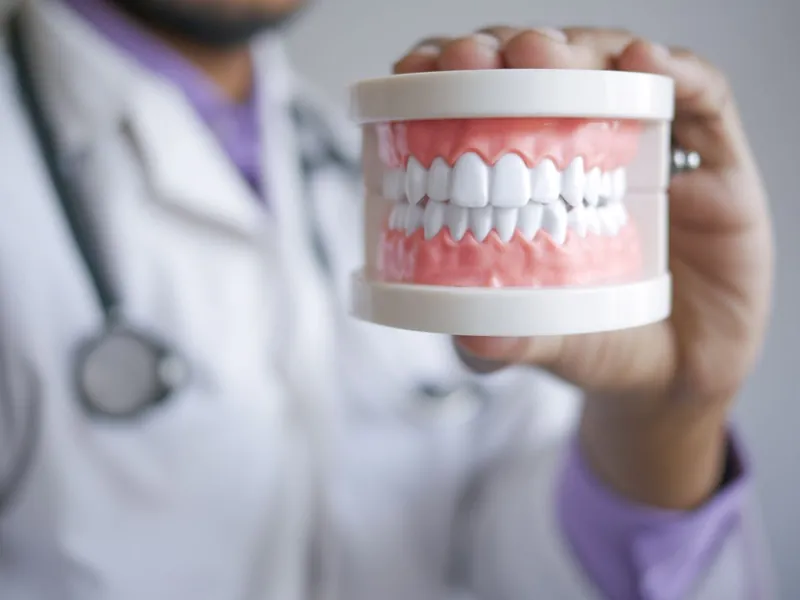 Full mouth dental implantsBoth jaws rebuilt on implants: what is involved and how the fee adds up.
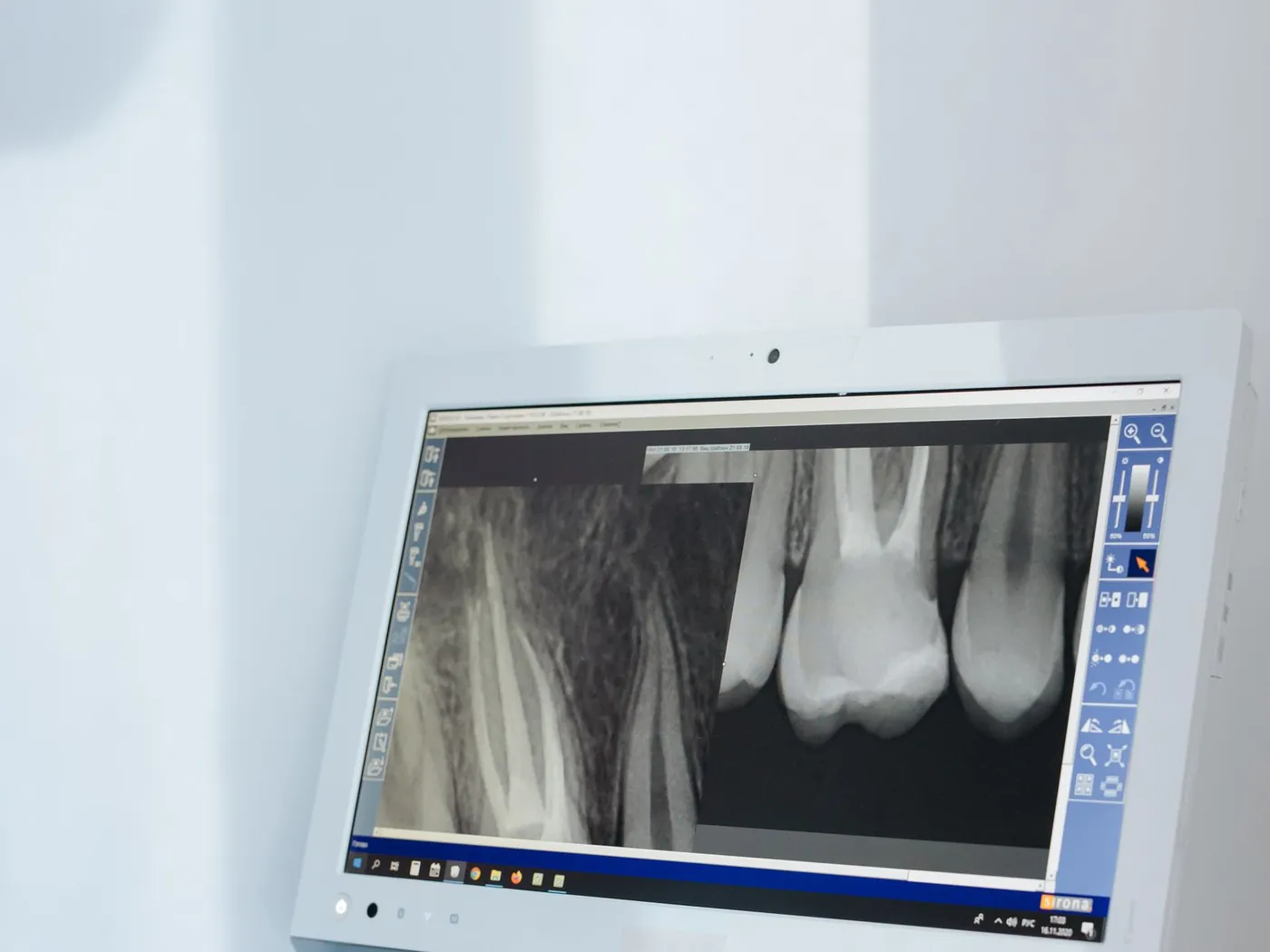 Teeth in a dayA set of teeth fitted on the day the implants go in, and what the leaflets say about the rest.
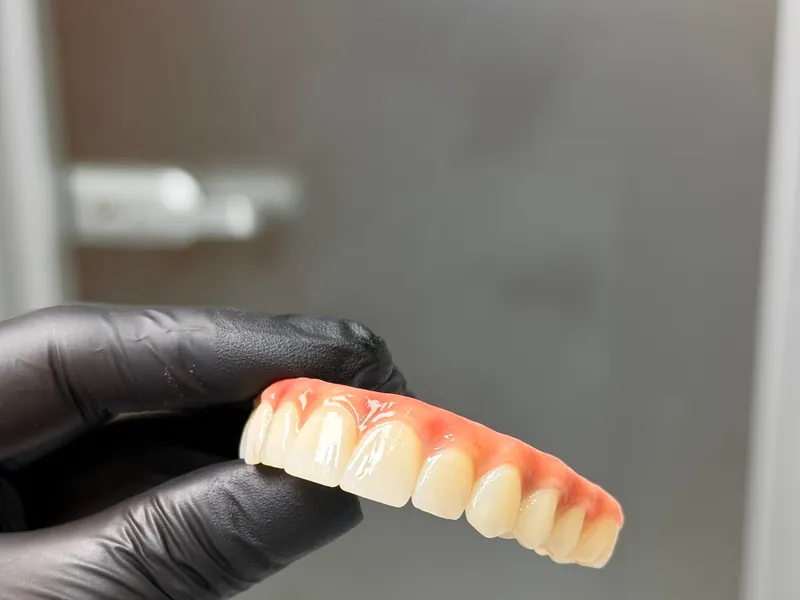 Implant denturesA denture held by two to four implants. From €3,850 an arch.
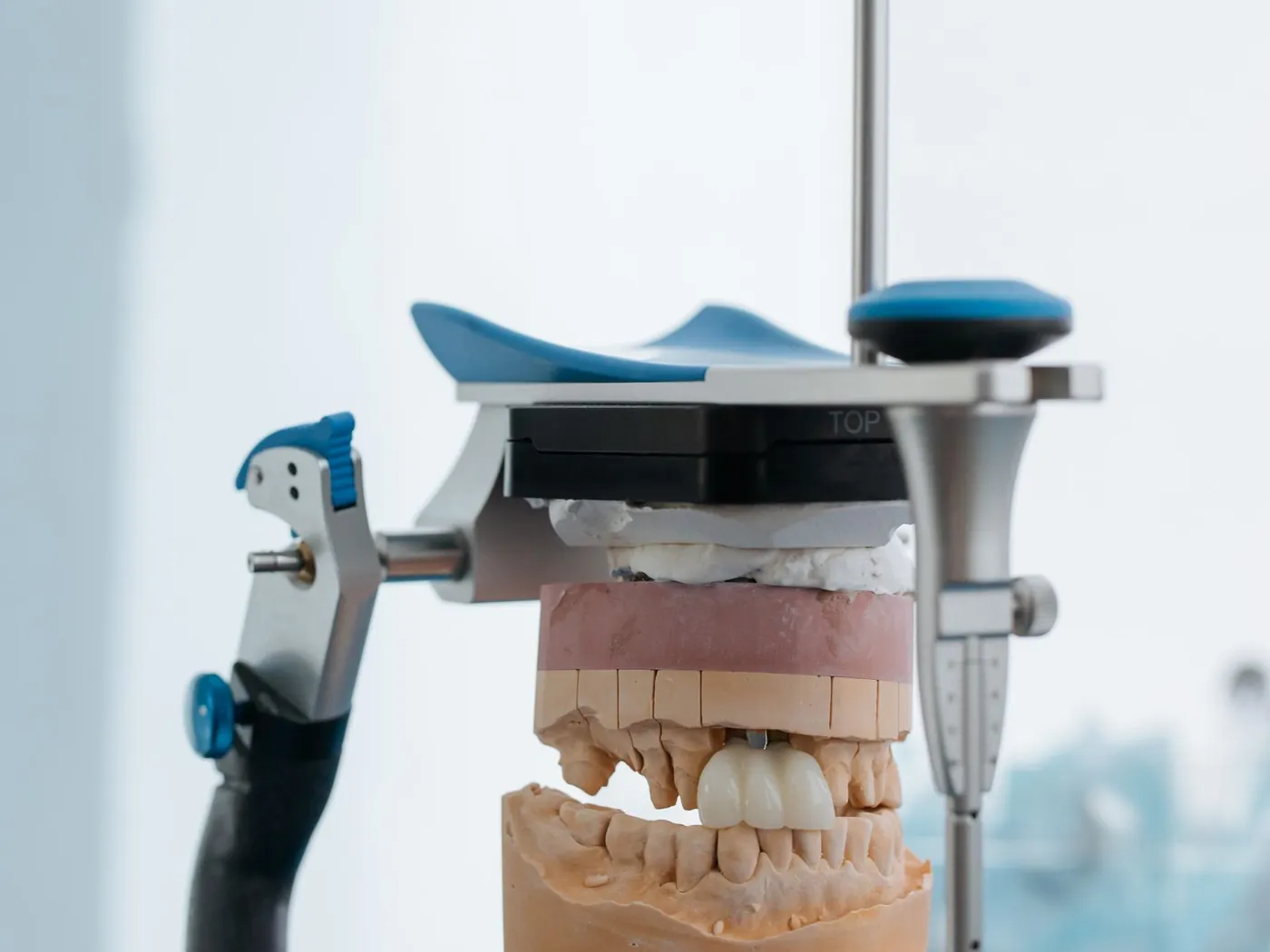 Screw in teethWhat the phrase means: teeth fixed to implants with screws, and what that rules out.
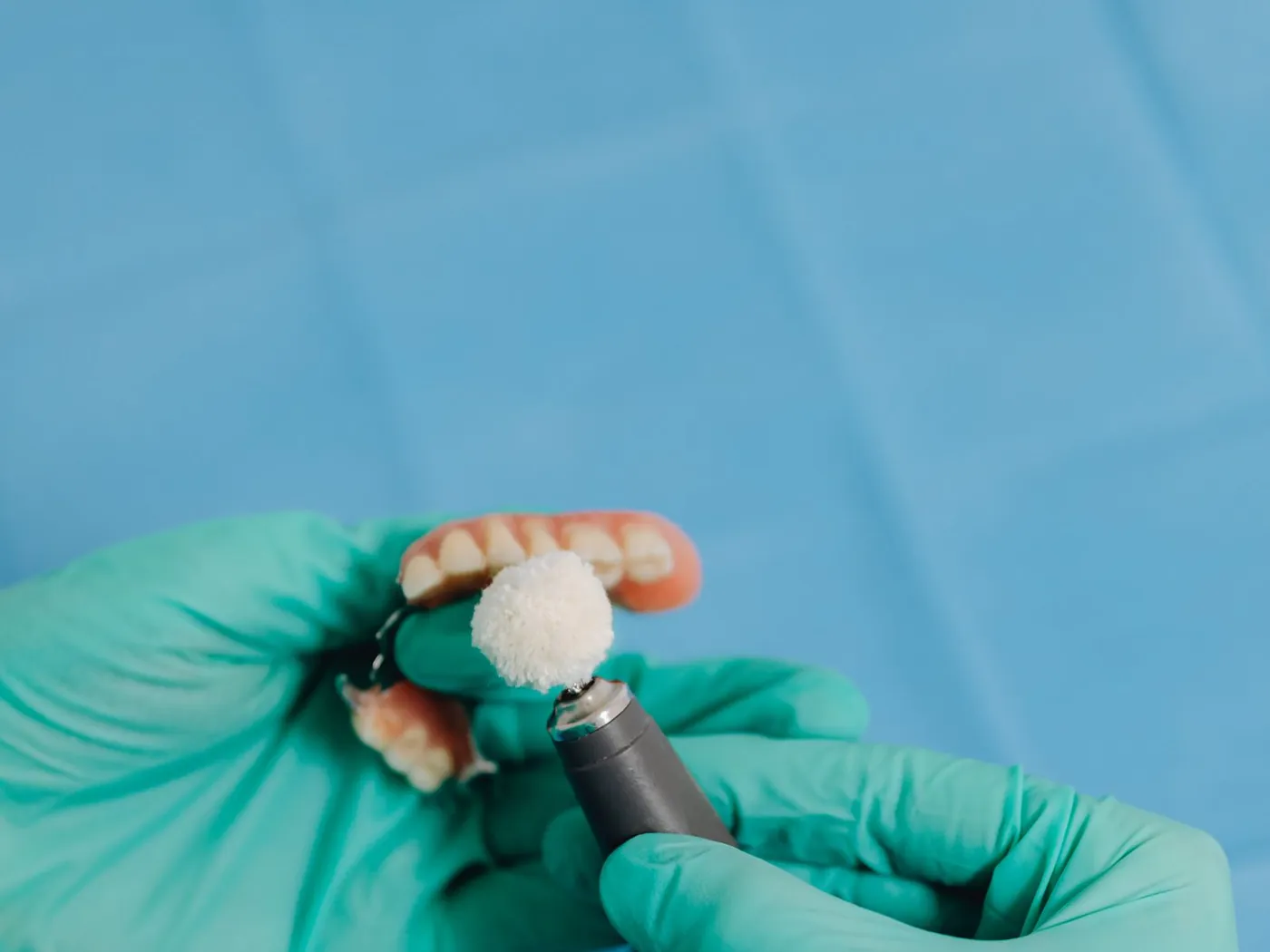 False teethDentures, implant dentures and fixed teeth side by side. A full denture is €500 to €1,640 a jaw.
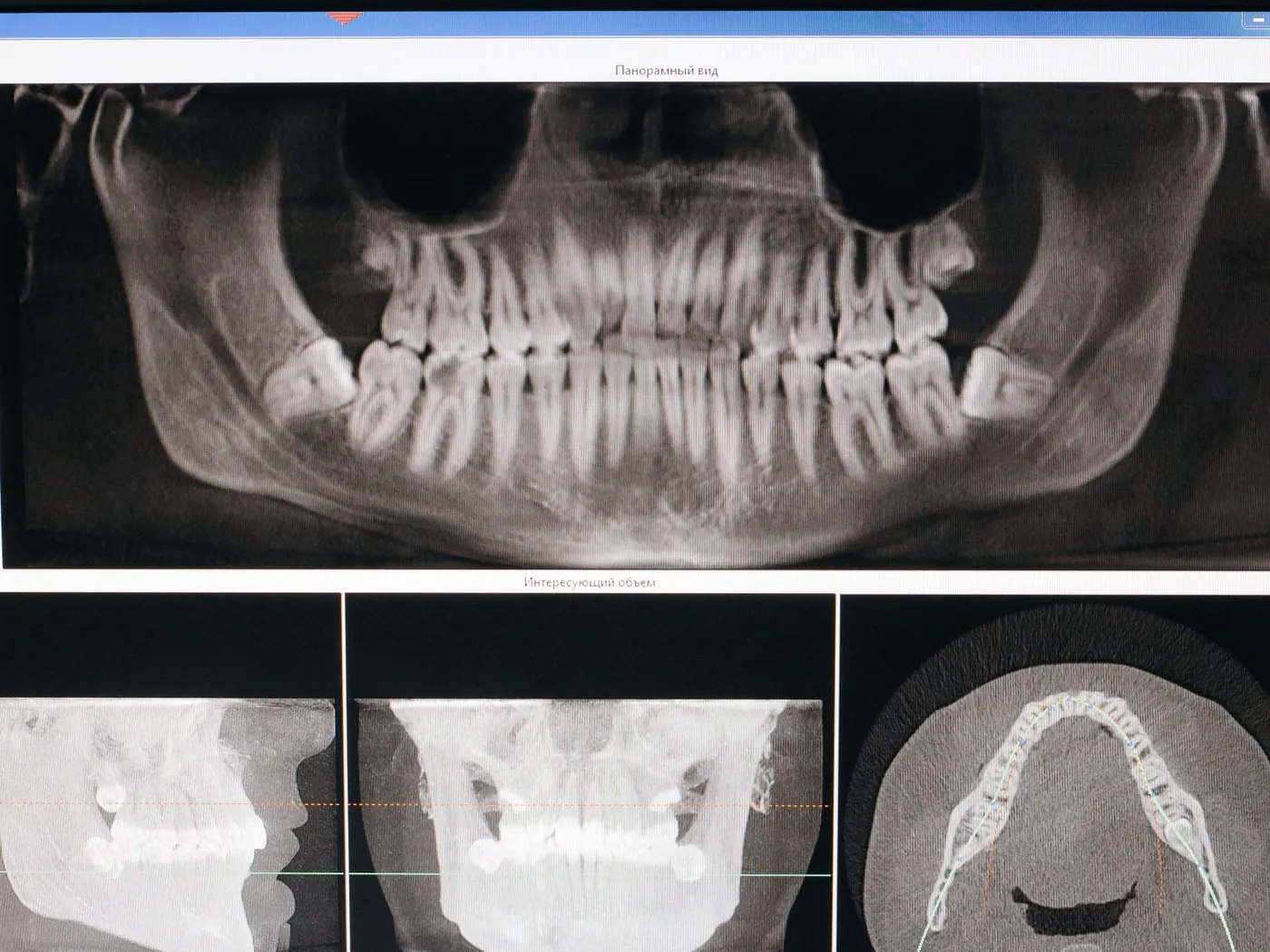 Zygomatic implantsLonger implants anchored in the cheekbone, and why there is no price for them on their own.
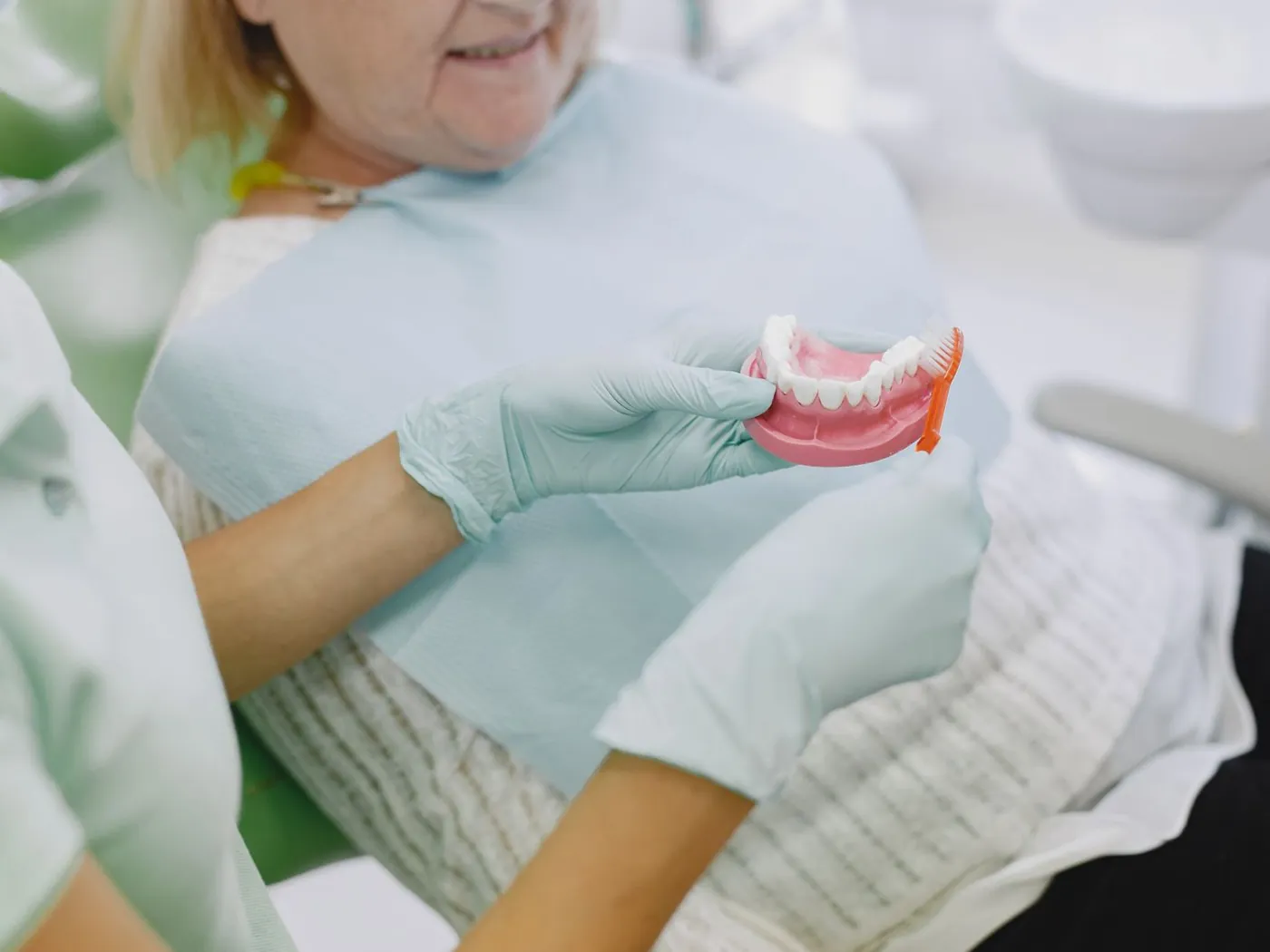 All-on-4 or implant denturesThe two usual choices for a whole arch, set out one against the other.
- Teeth implants costEvery figure in one place, with what moves it
- Full mouth costBoth jaws, and how the fee adds up
- Paying for teeth implantsPayment plans, the medical card and tax relief
- How long they lastThe hospital figures and what shortens them
- Northern IrelandFees in sterling from clinics in Belfast
Quick questions
What does the Dental Council say about getting teeth done abroad?
That high quality dental care can be found outside Ireland, and that you should check the dentist's registration and insurance, the follow-up care and how costs will be settled.
What are Turkey teeth?
The chair of the BDA's Northern Ireland Council describes large zirconia restorations of 24 units or more, or full-arch implants, often placed on sound teeth over two visits.
Can I claim tax relief on treatment abroad?
Revenue says non-routine treatment performed outside Ireland can be claimed, if the dentist is qualified under that country's laws and completes a Form Med 2.
Who do I complain to about a dentist in Ireland?
The IDA points to the Dental Complaints Resolution Service, and each practice must have a complaints procedure.
Who decides what I need?
Whether implants suit your mouth is for a dentist to decide, once they have examined you and seen your scans. They weigh your teeth, gums, jawbone and general health before offering options and a written price.
All the pages on this site
Treatments
Get a price range before you speak to anyone
Choose what you are missing, what you have now and your county. If you then want a firm price, the request goes to a single Dental Council registered dentist who places implants.